Bed bugs do not care whether the mattress sits in a studio apartment near the Golden Gate Bridge or a conference hotel three blocks from the French Quarter. They hitchhike, they hide well, and a small, missed pocket of eggs can undo weeks of effort. When people ask which works better, heat or chemicals, they want a straight answer. The truth, from years of residential and commercial work, is that each method shines under specific conditions. The right choice also depends on budget, timeline, building layout, and whether the infestation is contained to one bedroom or threaded through a multi-story complex.
What success looks like with bed bugs
Elimination means zero live bugs and zero viable eggs, plus zero bites for several weeks after treatment. Because bed bugs feed roughly every 3 to 7 days and eggs hatch in about a week, we confirm success through inspections and monitoring across at least one full life cycle, often two. That means mattress seams and headboards, yes, but also behind baseboards, inside outlet covers, in office cubicle footings, and under carpet tack strips. I have found live adults tucked into the spine of a hardcover book and a whole clutch of eggs on the screw threads of a bunk bed ladder.
A quick primer on how bed bugs survive
Understanding the pest helps you pick the method. Bed bugs are resilient, but they are not magic.
- They die quickly above about 122 degrees Fahrenheit, but their eggs sometimes need a slightly higher threshold and sustained exposure. They are excellent at detecting insecticides and may retreat deep into cracks after a chemical application, which is why residual control and follow-up matter. They can survive months without a blood meal at cooler room temperatures, so simple vacancy does not solve the problem. They spread by movement of people and their belongings more than through walls, though in apartments they can follow utility lines or gaps.
Those four facts drive most treatment decisions.
How heat treatments work, and when they excel
Heat treatments raise room or unit temperatures to a lethal range, then hold them long enough to kill every life stage. Technicians use electric or propane heaters, fans, and multiple sensors. The process is not as simple as cranking the heat and hoping for the best. Hot air stratifies, so we move it. Items that insulate, like piles of clothes or couch cushions, must be separated so heat can reach eggs. Pro teams check hard-to-heat spots, like the center of a thick mattress or the void behind a built-in cabinet, with probes.
On a well-executed job, I expect peak temperatures of 130 to 140 F in the room, with 60 to 90 minutes where the coldest spot remains in the kill zone. A typical single-bedroom heat treatment runs 6 to 10 hours, including setup, heat time, and cooldown. The biggest advantage is immediacy. When the job ends, the live population is gone. That is why hotels near Disneyland in Anaheim or business suites by the Alamo often choose heat. Downtime costs money. A one-day reset matters.
Heat also helps in cluttered environments where a chemical-only approach would mean many return visits. We still get behind the headboard, under the box spring, and inside couch frames, but we are not relying solely on active ingredients penetrating every crack.
Heat has limits. Multi-unit buildings with open chaseways or sensitive fire systems require careful planning. Some finishes, vinyl blinds for example, can warp if not protected. Fire sprinklers need to be shielded or cooled. In older homes in Savannah’s historic district, we add temperature guards around antique woodwork and watch leaded glass. And the cost per day can exceed a standard chemical program.
Chemical treatments, used properly
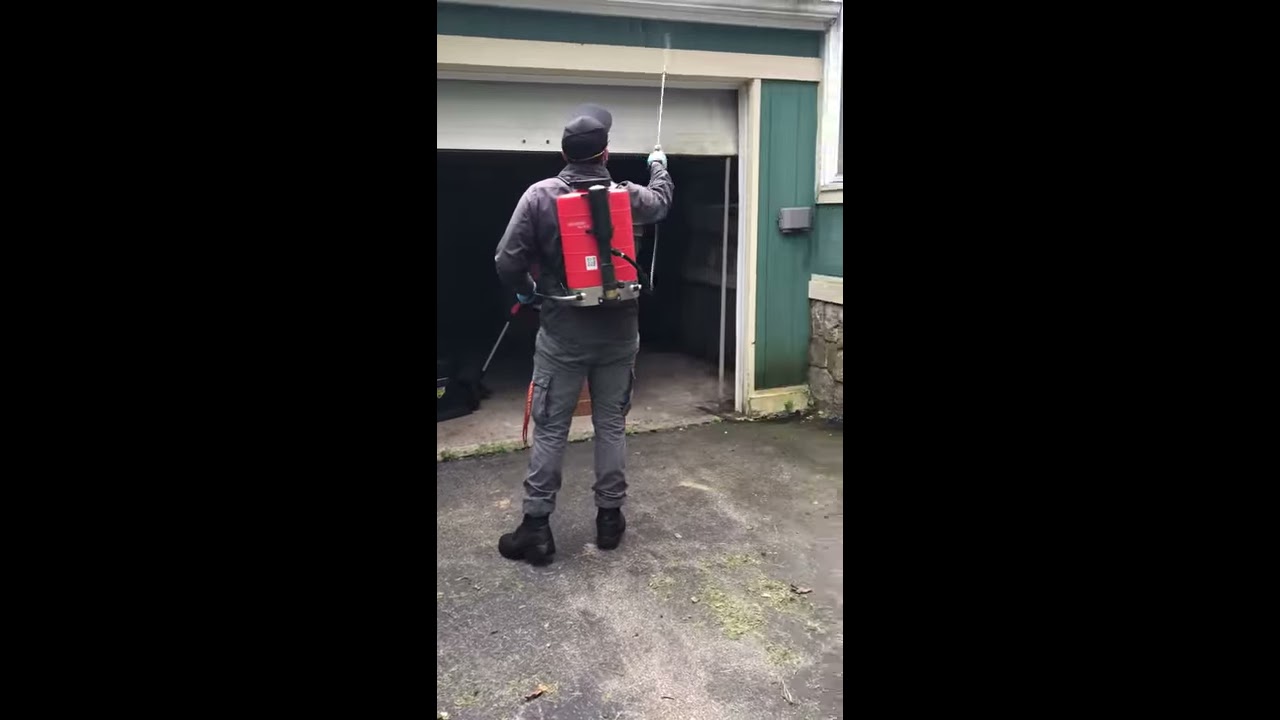
Chemical treatments have matured beyond a simple spray-and-pray mentality. We use a combination of contact killers, dusts for voids, and residual products that continue working after we leave. The goal is layered protection. A contact product knocks down exposed adults and nymphs. A non-repellent or reduced-repellency residual draws bugs through the treated zone and contaminates their harborage. Silica dust in outlets or wall voids dries them out over time. Mattress encasements trap any survivors and make follow-up inspections faster and more certain.
Timing matters. We schedule return visits at 10 to 14 day intervals to intercept newly hatched nymphs. Three visits are common in a moderate infestation. The big advantages are cost control and flexibility. For a sparsely furnished apartment off Biscayne Boulevard in Miami or a student rental near the University of Texas at Austin, a well-designed chemical plan can solve the problem without special equipment or property-wide shutdowns.
Chemicals do require discipline. Overapplication can cause repellency, pushing bugs deeper. Underapplication leaves gaps. Misuse around infants or respiratory-sensitive occupants is not acceptable. Professional-label products, applied precisely to seams, cracks, and harborages, are the difference between a clean result and a long, frustrating slog.
Heat vs chemical at a glance
When I sit with a property manager in Charleston’s historic core or a homeowner near Raleigh’s museums, I use a simple, outcome-driven comparison.
- Speed to zero bites: Heat wins in a day if executed well, while chemicals typically need 2 to 4 weeks with follow-ups. Cost structure: Heat is a higher one-time cost; chemicals are lower per visit but may total similar amounts across multiple services. Risk to contents: Heat requires care with heat-sensitive items; chemicals require care with treated surfaces and occupant reentry times. Reinfestation protection: Chemicals with residuals provide ongoing barriers; heat offers no residual, so monitoring is essential. Building logistics: Heat is ideal for contained spaces; chemicals scale well across units and remain practical where full-unit heating is not feasible.
That is the first of only two lists in this article. The rest of the details live in the nuance.
Pricing realities, and what drives them
Budgets drive choices, especially for Affordable Pest Solutions. A single-family bedroom heat treatment might start in the middle four figures where access and electrical capacity are simple. For a two-bedroom apartment, the range depends on furniture density, ceiling height, and whether we can isolate the unit. Chemical programs may start in the low hundreds per visit and run across three or more visits. Commercial Pest Management often blends methods by floor or by wing to spread cost and limit downtime.
Geography influences logistics, not just marketing. Treating a boutique inn off Bourbon Street means tight stairwells and brick that hoards heat. Handling a condo near the Golden Gate Bridge often means permits for equipment staging. A rental cottage near the Outer Banks faces humidity that slows evaporation of liquid applications, which pushes us to certain formulations. Details like these add or trim hours from a job and show up on an invoice.
The human side: preparation that actually matters
Prep lists grow long when they are written by people who never carried a heater up three flights. Focus on the few tasks that materially change outcomes. Bagging every item in a wardrobe is often overkill, and blanket laundering can scatter bugs to common areas if residents share machines. I ask residents to prioritize their sleep area because that is the primary feeding site. Every effort flows from that logic.

Here is a short prep checklist that moves the needle without overwhelming people.
- Reduce clutter near beds and couches so heat or chemicals reach seams and gaps. Launder bed linens on hot wash and high heat dry, then store in sealed bags until beds are reassembled. Empty nightstands and bed frames of stored items, place contents in clear bags, and keep them in the treated room for service. Unplug and move small electronics and plastic decor that could warp, or set them aside for targeted inspection. Report any recent travel or visiting furniture so we can track likely sources and satellite harborages.
This is the second and final list in the article.
What I look for during inspections
In the field, my flashlight lingers on specific spots: the underside of box spring dust covers, screw holes on bed frames, the stapled edge of upholstery, and the lip under baseboards near the bed. In offices, I pull the kick plates off cubicles and flip task chairs upside down. In theaters near Hollywood Boulevard, I tap the seams of aisle seats and inspect armrest joints. In a Gulf Coast casino hotel, I found a run of fecal spotting along the back edge of a headboard that hung on a French cleat. One tug, and an entire harborage revealed itself.
Monitoring after treatments tells the truth. Passive monitors under bed legs catch migrating bugs. Interceptor cups, when dry and clean, record traffic we might otherwise miss. In larger buildings, discreet glue boards placed in patterned grids show directionality, which helps decide whether a reinfestation started in the laundry room or the employee locker area.
Safety, pets, and special environments
Families ask about children, pets, and asthma. Chemical labels provide clear reentry guidance, often after treated surfaces dry, which can be a few hours. Residual dust stays in wall voids and outlets, not on living surfaces. With heat, we remove wax candles, certain cosmetics, aerosols, and sensitive electronics, then maintain safe clearances around heaters and cords. In a school near Stone Mountain or a library in Huntsville near the U.S. Space and Rocket Center, we plan after-hours work and isolate treated zones to keep the public out until temperatures normalize or products dry.
In healthcare settings, including clinics in Biloxi near the lighthouse and assisted living facilities in Jacksonville, we lean on vacuuming with HEPA filters, steam on targeted seams, encasements, and tightly controlled chemical use. Heat treatments can work in vacant rooms, but we often stagger them to protect equipment and avoid alarms.
Where heat fits best
Heat is my first pick for:
- Single or double room infestations where we can control adjacent units. Hospitality rooms that cannot afford multiple rounds of closure. Cluttered homes where achieving comprehensive chemical coverage would take too long or risk gaps. Situations with known resistance profiles to certain chemical classes, which we sometimes find in dense urban corridors in Los Angeles and San Francisco.
Even when we use heat, I often pair it with light residual applications at thresholds and baseboards outside the heated zone. That hybrid protects against bugs that shelter outside the treatment footprint or reenter from neighboring spaces.
Where chemicals hold the edge
Chemical programs win when:
- The property needs cost spread over time and can tolerate a few weeks of management. The structure has heat limitations, including sensitive fire systems, sprinkler constraints, or inaccessible voids. We need residual protection in high-risk, high-turnover housing, such as near campuses in Austin or Raleigh, where furniture moves frequently. Multi-unit properties prefer a standardized service that scales easily across dozens of units.
When chemical-only service is selected, technician skill and follow-through matter more than label names. A thoughtful sequence of crack-and-crevice treatment, dusting voids, encasing mattresses, and scheduled returns beats a heavy-handed, one-time spray every time.
How this decision plays out across home and business
Residential Pest Control typically weighs comfort and convenience the heaviest. Parents want the bites to stop, and fast. If budget allows, they choose heat for bedrooms and living rooms. If not, they want a clear roadmap with dates on the calendar, plus guidance for laundry and encasements. In a bungalow outside Orlando, a couple with frequent visitors chose heat for the guest room and a residual perimeter inside the rest of the home. Their follow-up visit found no activity. We left monitors for a month and closed the case.
Commercial Pest Management is a different dance. Hotels along the River Walk in San Antonio and near Los Angeles International Airport cannot absorb guest complaints over several weeks. They use targeted, room-by-room heat and keep spare encased mattresses on hand to speed resets. Office towers in downtown Atlanta use discreet, after-hours chemical treatments, with facility staff trained to spot early signs. Senior housing in North Carolina near the Biltmore Estate tends to choose integrated programs with strong resident education, encasements, and periodic inspections.
The role of integrated pest management
No single tactic beats bed bugs forever. Integrated Pest Management for these pests uses several tools in a disciplined way: inspections, physical removal with vacuums, encasements, targeted chemical applications, occasional steam, and in some cases, canine detection to verify rooms before they return to service. https://elliottrcsp885.tearosediner.net/preventive-residential-pest-control-seasonal-checklists-for-every-home Even after a one-day heat success, I like to place interceptors and schedule a check in two weeks. It is an insurance policy.
Properties that treat bed bugs as part of a larger policy usually have better outcomes. If you already rely on Termite Control Solutions for structural protection, Rodent Extermination Services for exclusion around docks in Galveston, or routine Insect Control Services for ants that find their way into kitchens in Savannah, it is natural to fold bed bug protocols into that framework. The same recordkeeping and response discipline produces consistent results.
What to ask when you call for help
If you are scrolling for Pest Control Near Me, put your energy into the right questions. Ask whether the provider offers both heat and chemical options, and how they decide between them. Ask about technician training and what a follow-up schedule looks like. Ask how they will protect valuables during heat, or how they will handle outlets and furniture voids during chemical work. Local Exterminators who can walk you through a room and show you three likely harborages on the spot usually deliver better outcomes than those who rush to quote without looking.
Midway through planning, many clients also want a direct line. Use this, and ask for availability across nine states we serve, from Jacksonville to San Diego, from Houston to Raleigh.
Pest Control Services Phone (888) 265-9332
We operate across Florida, Texas, California, Louisiana, Georgia, Alabama, Mississippi, South Carolina, and North Carolina. That footprint helps when a property group has locations near Kennedy Space Center, the San Diego waterfront, the Fort Worth Stockyards, or the Battery in Charleston. Bed bugs do not respect state lines, and consistent protocols across regions minimize surprises.
Real edges and trade-offs from the field
A few lessons that shape my advice:
- Heat failures almost always trace back to cold spots. Heavy dressers with clothes crammed inside, dense mattresses, stacked bins, or an HVAC vent left open can create safe pockets. Pro crews map these risks and stage fans to break up layers of stagnant air. I use temperature probes in the thickest part of a couch cushion and the center of a mattress. If those numbers lag, I adjust until they catch up. Chemical failures usually mean incomplete coverage or poor timing. Skipping the underside of a box spring or the inset screws on a headboard leaves a protected harbor. Returning three weeks late gives eggs time to hatch and cycle through a blood meal. I keep routes tight, track reentry times, and check interceptors before guest check-ins in hospitality accounts. Cross-contamination through laundry carts and maintenance closets is a classic reinfestation route in hotels and dorms. Label and segregate linens in transport. Inspect those carts. In New Orleans, near Jackson Square, a single maintenance closet became the source for three floors of repeat activity until we cleaned and dusted it. Tenant communication makes or breaks multi-unit battles. Clear, short prep sheets and a way to request help for heavy tasks increase compliance. In Birmingham, we paired prep assistance with a phone check the day before service. Compliance jumped, and callbacks dropped.
What about resistance and alternative tools
Resistance to certain chemical classes exists in some markets, especially pyrethroids. That is not a death sentence for chemical programs. Rotating to other actives, using non-repellents, and adding desiccant dusts sidesteps that problem. Steam remains useful as a point tool on seams and infested furniture that cannot be laundered. Vacuuming picks up clusters of bugs and eggs before any product or heat begins working.
Canine detection has a place when stakes are high and visual clutter is hard to overcome. I have used dogs in a historic hotel near Fisherman’s Wharf and in a university library in Chapel Hill. They speed pre-treatment surveys and confirm post-treatment clearances when human eyes might miss a hidden page seam or a deep shelf joint.
Putting it together
If I had to boil it down for a homeowner in Tallahassee, a hotelier in Houston, and a property manager in San Diego:
- Choose heat when you need bites to stop immediately, when rooms can be isolated, and when contents can be protected. Pair it with light residuals at the perimeter and diligent monitoring. Choose a professional chemical program when cost, building systems, or scale make heat impractical. Insist on layered applications, encasements, and two or more scheduled returns with inspections. In mixed-use or multi-building portfolios across the Southeast and West Coast, use both methods strategically. Heat the units with active bites and high guest turnover. Run chemical programs with residuals and education elsewhere. Monitor all of it.
Bed bugs reward methodical, patient work, not guesswork. With the right plan, those telltale fecal spots on a headboard in a Savannah townhouse or the tiny blood specks on sheets in a Raleigh rental become nothing more than reminders to act early next time.
How we can help, wherever you are
Whether you manage 200 keys near Disneyland, own a shotgun house close to the Mississippi River in New Orleans, or rent an apartment a few miles from the Research Triangle, we can design a program that fits. Our teams handle Pest Control for Bed Bugs every week, and the same expertise runs through our broader Pest Control Services, including Rodent Extermination Services, Termite Control Solutions, and general Insect Control Services. We price transparently, communicate clearly, and stay until the work is done. If you are searching for Local Exterminators who balance speed with thoroughness, or scanning for Pest Control Near Me at midnight after a bad bite, you are not alone. We serve Florida, Texas, California, Louisiana, Georgia, Alabama, Mississippi, South Carolina, and North Carolina, and we carry lessons from the Everglades to the Outer Banks into every job.
The gap between living with bed bugs and getting your space back is one well-planned service day, followed by a couple of smart follow-ups. Choose the method that matches your space, your schedule, and your tolerance for disruption, and hold your provider to a high standard. The details, from outlet dusting to temperature probes, are not extras. They are the work.
Pest Control Services (888) 265-9332